Full Form

The full length articles from Forbes.com, a few days later after their exclusive ends. This is the source for all my articles on transportation from mid 1999 to the present.

Everybody's focused on "sharing" -- is it actually the right first path?

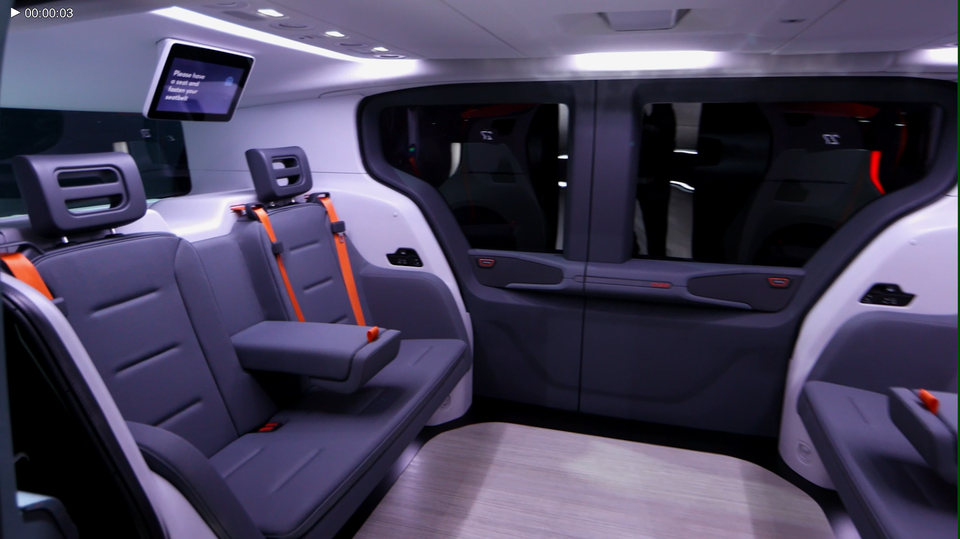
Interior view of the Cruise Origin, designed for sharingCruise

I wrote earlier about Cruise's "Origin" which they say is a vehicle devoted to shared rides. Many other companies also are hoping to make vehicles for shared rides -- it's treated as almost a received wisdom. But the reality is that sharing rides isn't all that it's cracked up to be, and to work what you really need is frictionless instant mode transfers so nobody goes out of their way. And for that you need automated single person pods, not big shared vehicles. In fact, the cost of a human driver, per passenger, isn't that bad on shared riding -- it's in the last mile that the cost is too high.

Read my analysis on Forbes.com at [Shared ride vehicles may get it backwards](https://www.forbes.com/sites/bradtempleton/2020/02/03/the-push-for-shared-ride-self-driving-vehicles-may-get-it-backwards/)
Tags: 

Early leaks and reports on Uber weren't too long on the truth

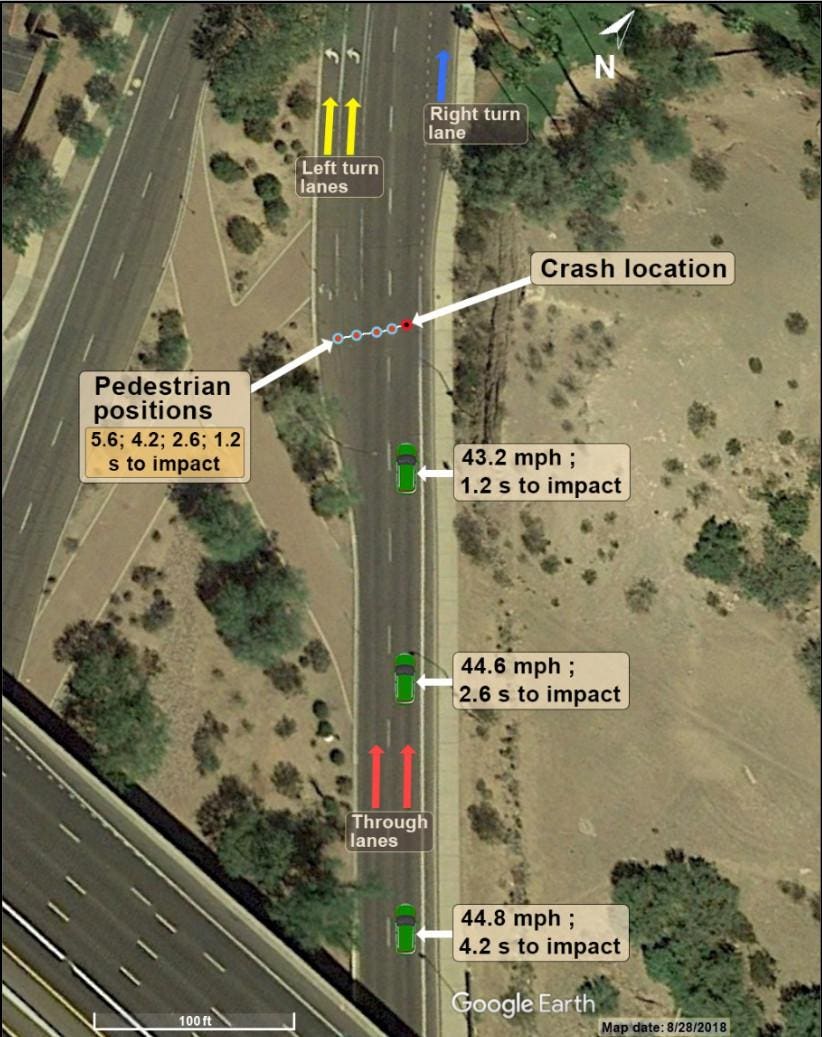
NTSB diagram of accidentNTSB

With the story of the Uber fatality now behind us, I thought I would do a review of the various leaks and early releases that we saw about the incident, and how well they scored once the final NTSB report came out. The score is not at all good.

Read my report on Forbes.com at [Early leaks and reports on Uber weren't too long on the truth](https://www.forbes.com/sites/bradtempleton/2020/01/28/early-leaks-and-reports-on-uber-fatality-werent-too-long-on-the-truth/)

Tags: 

Early Leaks And Reports On Uber Fatality Weren’t Too Long On The Truth

NTSB diagram of accidentNTSB

Now that the story of the Uber robocar fatality has mostly come to an end, and in the wake of the final NTSB crash report on the Uber fatality, it is worth going over the material that leaked or was released prior to the report and caused much discussion (including by me.)

Topic: 

GM/Cruise releases a plan for a future custom designed robotaxi -- and it reminds me of Zoox

Recently, Cruise, the unit of GM (and partner of Honda) did a splash release of a new vehicle design which they say is "not a concept." It's a custom-designed robotaxi, and it reminds me a lot of the plan of Zoox, the $billion funded startup that I advised when it was just getting going.

I've written an article about the risks and benefits of making your own custom vehicle, and whether it's smart or crazy. You can find that at:

[Cruise's new robotaxi presages a battle with Zoox](https://www.forbes.com/sites/bradtempleton/2020/01/27/cruises-new-more-than-a-concept-robotaxi-presages-a-battle-with-zoox/) on Forbes.com

Tags: 

LIDARS for robocars are everywhere at CES

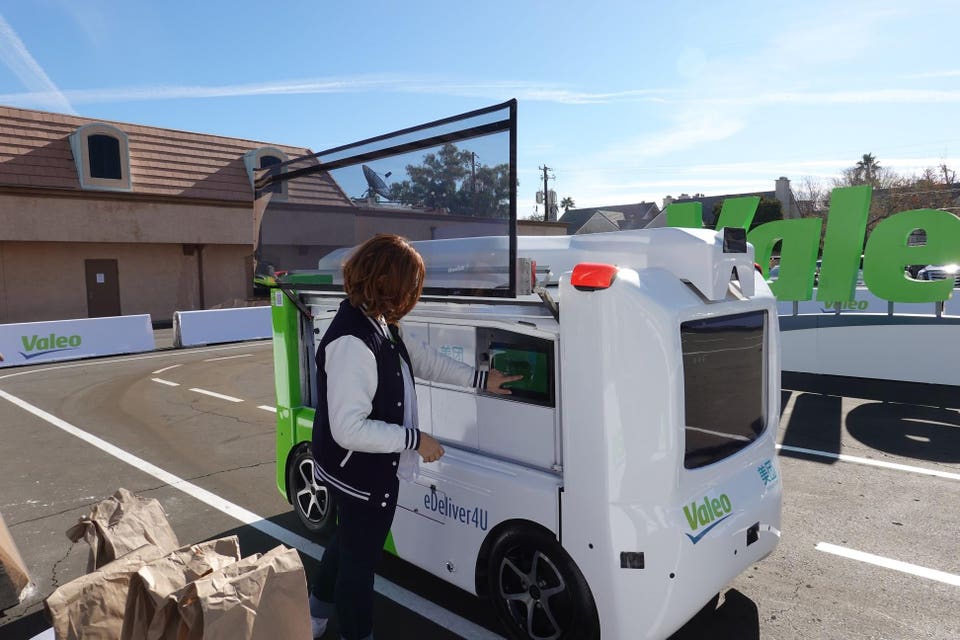
Tier One Supplier Valeo has a new LIDAR and put it on this delivery vehicle being made in ChinaBrad Templeton

I'm back from CES and my first report concerns the trends in the LIDAR industry I saw from the 43 LIDAR companies exhibiting there. I talked to most of them. Those trends include lowered cost, more robust instruments and scores of paths to victory. There is also much more attention on LIDAR for the ADAS market. Bosch even said it would make a LIDAR, but said nothing about it.

Read [LIDARS for robocars are everywhere at CES](https://www.forbes.com/sites/bradtempleton/2020/01/15/lidars-are-everywhere-at-ces/) on Forbes.com

Tags: 

Robocars 2019 Year In Review

Here is a summary of the Robocar stories from 2019 that were the most significant. It was actually not a year of very big change. Waymo is still the distant leader, in spite of having slipped a bit on their goals. I talk about the trough of the hype cycle and the challenges going ahead for the 2020s. If you skipped most of my coverage in the year, these are the selected ones to read.

Read the year in review at [Robocars 2019 in review](https://www.forbes.com/sites/bradtempleton/2020/01/02/robocars-2019-year-in-review/)

Tags: 

California regulations are no cause for panic but they show "gasoline thinking"

If you read stories that California just put in new regulations that will change all the per-minute chargers and Tesla superchargers, don't worry, the changes are not that big and don't apply to chargers for some time. But it is worth examining how the regulations, such as they are, exhibit 20th century "gasoline thinking" by imagining that the same rules that apply to gas pumps should apply to electric charging stations. See about it in my Forbes site article:

[California EV regs don't forbid per minute, but are still dumb gasoline thinking](https://www.forbes.com/sites/bradtempleton/2019/12/28/california-ev-charging-regulations-dont-forbid-per-minute-but-are-still-dumb-gasoline-thinking/)

Tags: 

California EV Charging Regulations Don’t Forbid Per-Minute But Are Still Dumb ‘Gasoline Thinking’

Ignore reports that new California rules suddenly banned EV charging by the minute and will force Tesla to retrofit all their superchargers. The new regs don't do this, but they are based on old-school "gasoline thinking" that doesn't belong in the EV world.

Topic: 

EV fast charging connector battles and standards wars might be OK

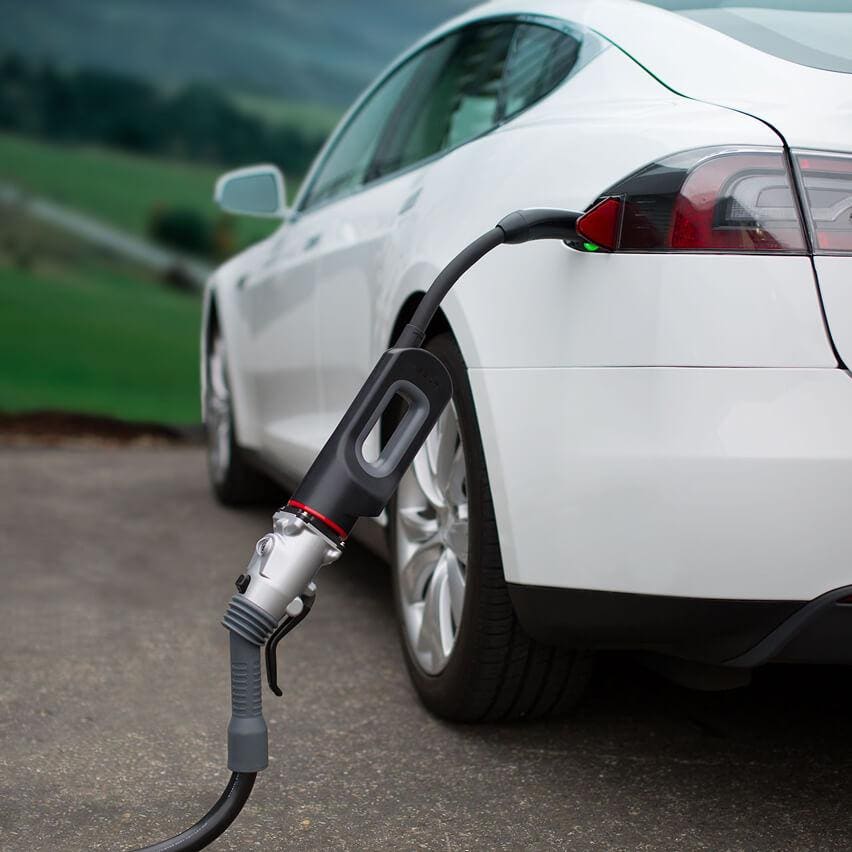
Tesla's Chademo adapter lets Tesla cars charge from Japanese Chademo fast chargers and their bulky plug. These belong at stations, not in cars.Tesla

It's a common lament that because there are so many EV charging plugs (including the 4 fast-charging systems -- Tesla, Chademo, US-CCS and Euro-CCS) that we need a universal standard, so that we can get the goal everybody wants of being able to charge any car anywhere.

That's a great goal, but standards slow down innovation. Tesla's proprietary connector is markedly superior to the two competing "standards" and there is yet more innovation to happen. What's better is to expect things to be different, and make it possible to build adapters, and stock them at the charging stations. Tesla has a Chademo to Tesla adapter, but even though there are perhaps only 200 places it would be useful to have it, they sell it to owners for $450 rather than just putting it in those 200 places.

Here's a rundown of the charging plug standards and the fight among them at:

[Cometing Electric Car Charging Standards Can Be Fixed](https://www.forbes.com/sites/bradtempleton/2019/12/19/competing-electric-car-charging-standards-can-be-easily-fixed/)

Tags: 

Competing Electric Car Charging Standards Can Be Easily Fixed

Tesla's Chademo adapter lets Tesla cars charge from Japanese Chademo fast chargers and their bulky plug. These belong at stations, not in cars.Tesla

An outline of the battles over electric car fast charging plugs, and why adapters are a better solution than trying to standardize too quickly

Topic: 

Trolleys, Risk and Consequences: A Model For Understanding Robocar Morality

There is widespread debate over the moral rules behind testing and deploying robocars, which will prevent vast numbers of accidents, but also cause them, including fatalities. This essay examines the different moral theories used, and proposes a way forward to match how societies and people think.

Topic: 

Trolleys, Risk and Consequences: A Model For Understanding Robocar Morality

One of the most contentious issues in robocars are the moral issues involved in testing and deploying them. We hope they will prevent many crashes and save many lives, but know that due to imperfection, they also create a risk of causing other crashes, both in deployment, and during deployment. People regularly wonder if they should be out there tested on city streets, or ever deployed. Even with numbers that are perhaps the most overwhelmingly positive from a utilitarian standpoint, we remain uncertain.

I've written much on this over the years, have now prepared a fairly detailed analysis of why we think the way we think, both as individuals and a society, and offer a path to better understanding, by understanding the different and sometimes contradictory moral theories that exist simultaneously within ourselves, and searching for a path to reconciliation by looking at vast amounts of microrisk instead of tragedies.

With some irony, I even refer to the "trolley problem." Not the vexing and dangerous misapplication of that problem to robocars deciding "who to kill" that I have often railed against, but rather the original trolley problem, the philosophy class exercise built to help us understand our own moral thinking on issues involving machines, death and human action.

Bear with me -- this is not a short essay but I hope it's worth it.

See my essay at [Trolleys, Risk and Consequences: A Model For Understanding Robocar Morality](http://www.forbes.com/sites/bradtempleton/2019/12/12/trolleys-risk-and-consequences-a-model-for-understanding-robocar-morality/)

Tags: 

Pages